⋅
⋅
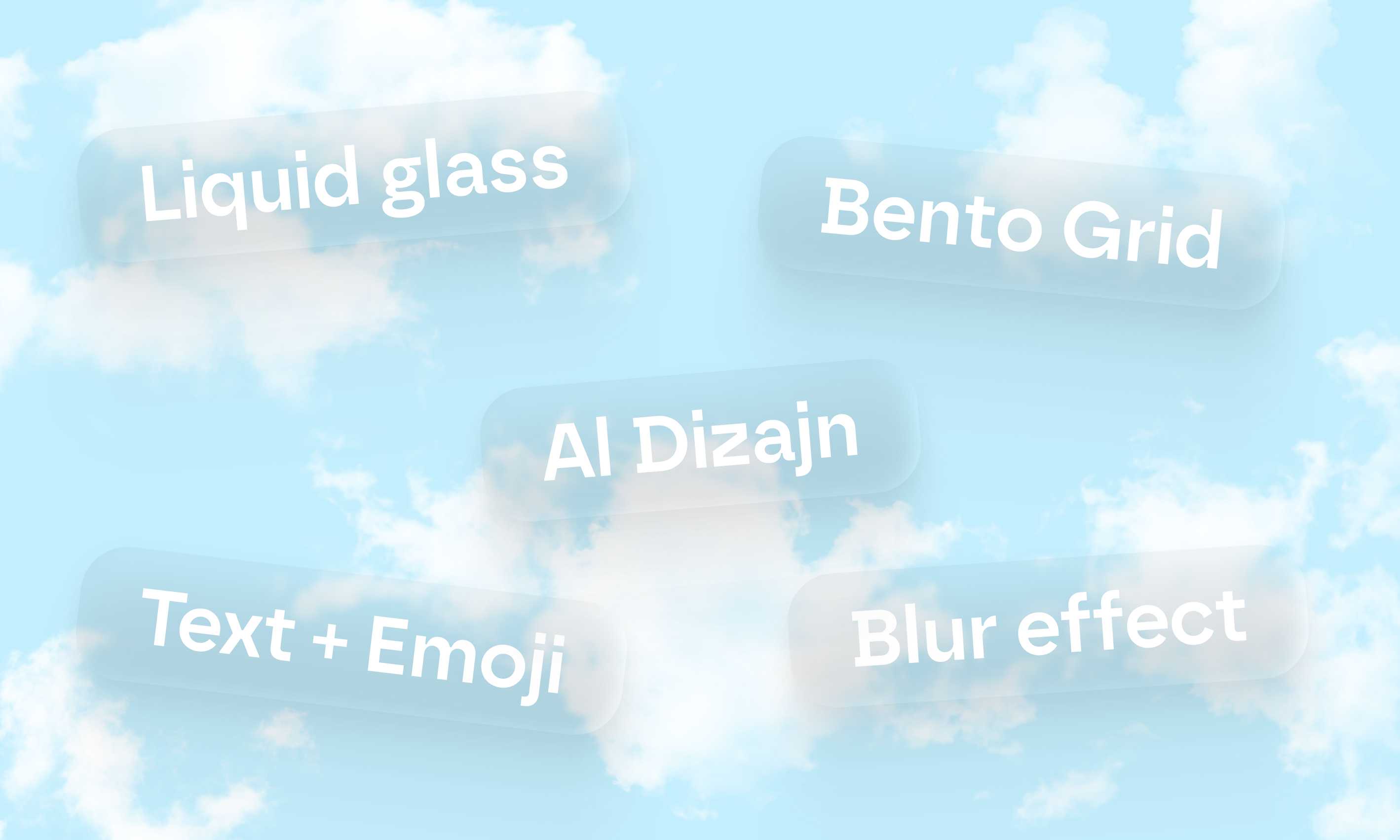
Introduction: Design Shaping 2025
The year 2025 has brought many innovations to the world of interface design, but only some of them have truly affected the way we use digital products. Design is no longer just about pretty colors and modern fonts; today it shapes the entire user experience.
In this article, we will look at 5 UI styles that defined design in 2025. Whether it's AI-assisted design, subtle visual effects, or new ways of communication, they all have one thing in common: they make digital interfaces more understandable, friendlier, and visually appealing.
Liquid Glass
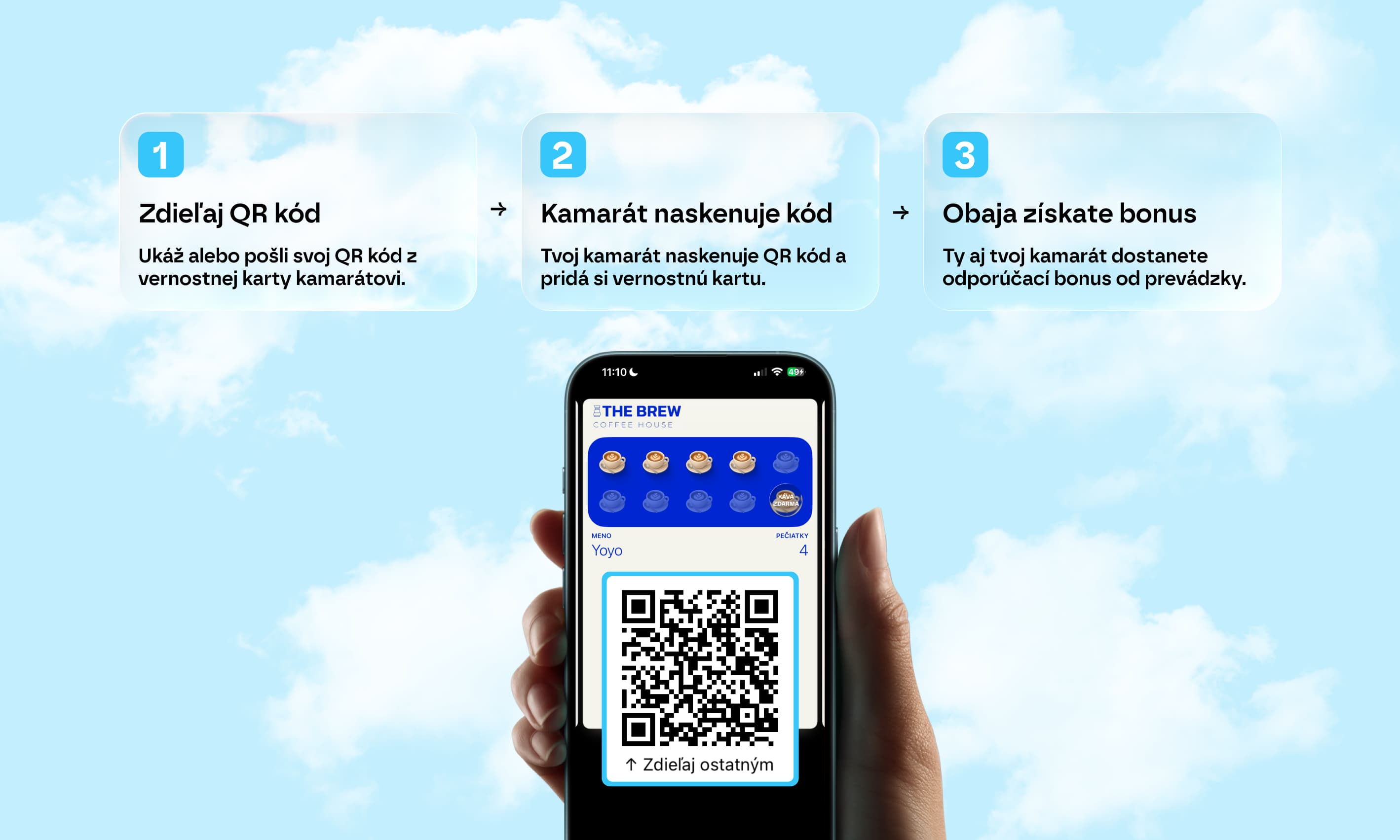
In 2025, Apple introduced a new visual style – liquid glass effect. It features a futuristic, almost liquid glass look that brings elegance, depth, and a modern touch of luxury to digital interfaces. This visual effect is not just another variation of glass but represents a new way of working with light, transparency, and animations in UI design.
The liquid glass style is characterized by smooth transitions, radiant gloss, and interactive reflections that respond to user movement. The result is an interface that appears natural and dynamic while remaining clean and clear.
Liquid glass is quickly gaining popularity beyond the Apple ecosystem. UI and UX designers are using it to create a premium look and visually strong digital products. In 2025, this style ranks among the most prominent UI trends affecting the development of modern interfaces for mobile applications and web platforms.
AI-powered Design
Artificial intelligence is fundamentally changing the way we design digital interfaces. Thanks to analyzing user behavior, AI can customize content, layout, and navigation in real time – creating a more intuitive, faster, and personalized experience.
Modern applications and websites use AI-powered design that can predict user interests and offer them relevant content or visuals. The biggest benefits are seen in mobile environments, where every interaction determines user satisfaction.
However, there is also a growing need to emphasize ethics and privacy protection. Transparent data processing and user trust are crucial for long-term success. If AI design is used responsibly, it can turn an ordinary digital interface into a truly exceptional user experience.
Text + Emoji
Visual interfaces are becoming much more conversational and human-like this year. We are witnessing a strong trend where emojis are integrated directly into text elements. From navigation, to notifications, to interactive elements. The result is communication that is not only more understandable but also emotionally richer.
Emojis are no longer just for messages and chats. In modern interfaces, we see them in notifications, onboarding processes, or even in error messages. They help lighten serious situations and make the user interface accessible to a broader audience without seeming childish.
This trend is particularly dominant in mobile apps and voice interface environments, where every pixel and every word plays an important role. Emojis can elegantly replace part of the text while increasing user engagement. When used correctly, they can create a much more personal and intuitive user experience.
Bento Grid
The bento grid layout has become one of the most prominent trends in UI design. This layout style, inspired by the Japanese bento box, allows for logical and aesthetic separation of content into distinct blocks. The clear structure facilitates navigation and enhances user satisfaction, creating intuitive and well-organized digital interfaces.
On desktop devices, bento sections appear as a balanced visual grid, while on mobile screens, they transform into horizontally scrollable elements. This flexibility ensures that the website or app appears dynamic and responsive regardless of the device. As a result, bento grid design has become the ideal solution for interfaces presenting multiple types of content – such as texts, images, or interactive elements.
If you want to create a modern and responsive interface, bento grids offer the perfect solution. Combined with animations and subtle interactions, they provide a sense of luxury and organization, significantly improving engagement and conversions.
Progressive Blur Effect
Blur effects have been used in digital design for a long time, but in 2025, progressive blurs are experiencing their biggest boom. This technique smoothly transitions from sharp to blurred environments, creating a clear visual hierarchy and guiding users to the most important information.
Progressive blur effects are exceptionally effective in environments filled with content. They help reduce visual noise, highlight key elements, and at the same time give the entire interface a sense of depth and elegance. They are often used in dark modes, where the subtle contrast between sharp content and blurred background stands out.
For UI design in 2025, blur effects are more than just visual decoration – they become a tool for enhancing usability. Their proper use leads to a more intuitive experience, where users never get lost in the content but focus naturally on what makes the most sense.
Conclusion: Design That Works
The year 2025 clearly showed that digital design has moved forward – from visual elements to the overall experience. The trends we have introduced are not just aesthetic novelties but practical tools that help create more understandable, accessible, and enjoyable interfaces.
Whether it is subtle visual effects, structured layouts, or advanced personalizations, all these approaches share a common goal: to make interaction easier for users and make it more natural. And this is where the value of good UI lies, functioning without drawing attention to itself.
If we focus on simplicity, clarity, and detail in design, the result will be interfaces that not only look good but also truly serve.
And that precisely defines design that makes sense, today and a year from now.